
Relocating To Madison, AL For Work? Housing And Lifestyle Guide
Thinking about moving to Madison, Alabama for a new job? You are not alone. Madison keeps showing up on relocation shortlists because it offers quick access to major employment centers, a strong owner-occupied housing market, and a lifestyle that blends suburban space with growing mixed-use districts. If you are weighing where to live, whether to rent first, and what daily life might feel like, this guide will help you make a more confident move. Let’s dive in.
Madison sits in a strategic spot for many North Alabama professionals. According to the City of Madison, it is adjacent to Huntsville, Huntsville International Airport, Redstone Arsenal, and Cummings Research Park, all of which shape local housing demand and relocation interest. The city’s 2024 population estimate is 64,029, and current Census data show a 74.0% owner-occupied housing rate, a median household income of $134,655, and a 64.5% bachelor’s degree rate, which helps explain why the area attracts working professionals and long-term homeowners.
The city also notes that proximity to employment centers and schools are key local market drivers, while growth policy is intended to manage density and infrastructure pressure. For you, that means Madison is not growing by accident. It is a city actively planning around the very factors that matter most when you relocate for work.
If your job is in Huntsville, near the airport, at Redstone Arsenal, or in Cummings Research Park, your commute will likely center on a few major corridors. Madison’s transportation planning materials identify I-565/Madison Boulevard and Highway 72 as the two major east-west routes, with County Line Road, Madison Boulevard, Hughes Road, and other arterials carrying a lot of local traffic.
The city’s broader planning reports also call out Highway 72, Slaughter Road, Madison Boulevard, and County Line Road as roads that regularly handle commuter movement. That matters when you choose where to live. A home that looks close on a map can feel very different in practice depending on which corridor you need every day.
For many professionals, I-565 and Madison Boulevard are the backbone of the work commute. These routes are especially relevant if you need efficient access toward the airport, Redstone Arsenal, or nearby employment nodes. The city also says Madison is immediately north of the airport and inter-modal facility and just minutes from Cummings Research Park, Redstone Arsenal, and the Toyota-Mazda facility.
There is also a major road project underway. ALDOT’s I-565 widening project through Madison is expanding the corridor to six lanes from County Line Road to Wall Triana Highway, with nearly 70,000 vehicles traveling that stretch daily and completion expected in fall 2026. If you are relocating now, it is smart to ask how current construction and future traffic flow could affect your route.
Highway 72 is another major route, particularly if you expect to travel east-west across the north side of the area. It is one of Madison’s primary commuting corridors, and nearby roads like Slaughter Road and County Line Road often play a supporting role in the daily drive.
If your job location gives you flexibility, it may help to narrow your housing search by preferred corridor first. That can make your move feel more practical from day one.
If your work involves regular flights, Madison offers a clear advantage. The city says Huntsville International Airport is just 2.5 miles away. It also notes that Birmingham and Nashville airports are both less than two hours from Madison.
That kind of access can make a real difference if you travel for client meetings, company visits, or project work. Instead of planning your life around a long airport drive, you may be able to keep your routine much simpler.
This is one of the biggest questions for relocating buyers. The answer often depends on your assignment length, budget, and how quickly you want to commit to a neighborhood or home style.
Madison supports both paths, but the local data suggest a city with a strong long-term ownership base. Census data show a 74.0% owner-occupied housing rate, which points to a market where buying is a major part of the local housing story.
If you are moving on a short timeline, starting a new role, or unsure how long you will stay, renting can be the easier first step. The city’s current housing data show a median gross rent of $1,453, while Zillow reported an average rent of $1,470 as of March 2026.
Renting may also help if you want time to learn Madison’s main corridors, compare daily drive times, or decide whether you prefer a mixed-use setting or a more traditional subdivision feel. For many relocation clients, that flexibility reduces pressure during the first year.
If you expect to stay longer term, buying may deserve a closer look. Census data report median selected monthly owner costs with a mortgage at $2,055, and the city’s planning policy generally supports low-density residential patterns that align with Madison’s strong ownership profile.
In simple terms, Madison is built around long-term residential stability. If your job move is likely to become a longer chapter, buying can align well with how the city has developed and where much of its housing inventory sits.
Madison’s market can look different depending on the source and metric, but the general range is fairly clear. Recent data place the market broadly in the mid- to upper-$300,000s and into the $400,000s. Zillow’s average home value is $374,497, the Census median owner-occupied home value is $398,800, Redfin’s March 2026 median sale price is $472,000, and the city profile summary lists an average home sale price of $385,000.
For many relocating professionals, the key takeaway is this: Madison is not a one-price market, but a large share of activity is happening in the middle bands. Madison County’s annual HAAR report says the most active price segment in 2025 was $350,000 to $500,000, accounting for 25% of all transactions, and new construction made up 31% of Q4 closings.
That range can be a useful planning benchmark if you are building a budget before your move. It also suggests that both resale homes and newer construction may be part of your search.
Most of Madison’s housing is still oriented around detached single-family homes. The city’s zoning overview includes estate, low-density, medium-density, single-family detached, multi-family, mixed-use, and traditional neighborhood development districts, but its growth policy continues to support new detached, low-density single-family residential projects.
That said, Madison is not limited to one type of housing. The city’s 2025 comprehensive planning report notes that while detached single-family homes are expected to remain the majority, mixed-use areas such as Town Madison and downtown are being positioned for more walkable housing choices.
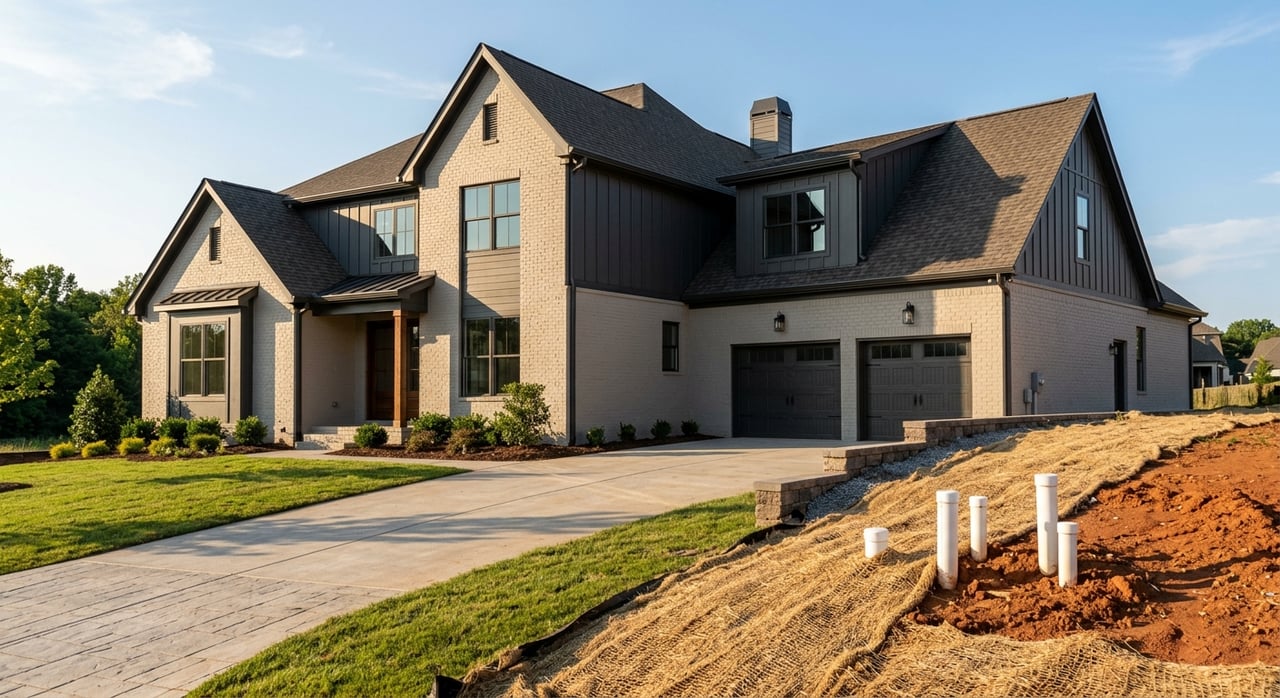
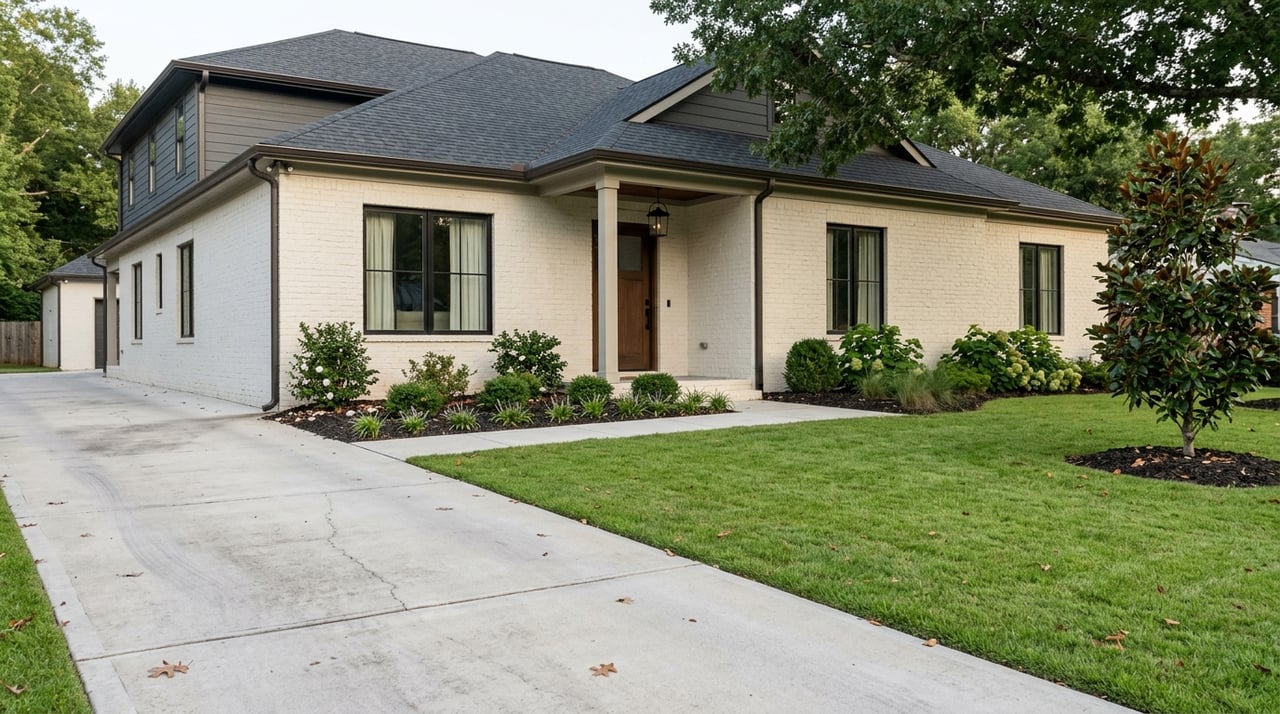
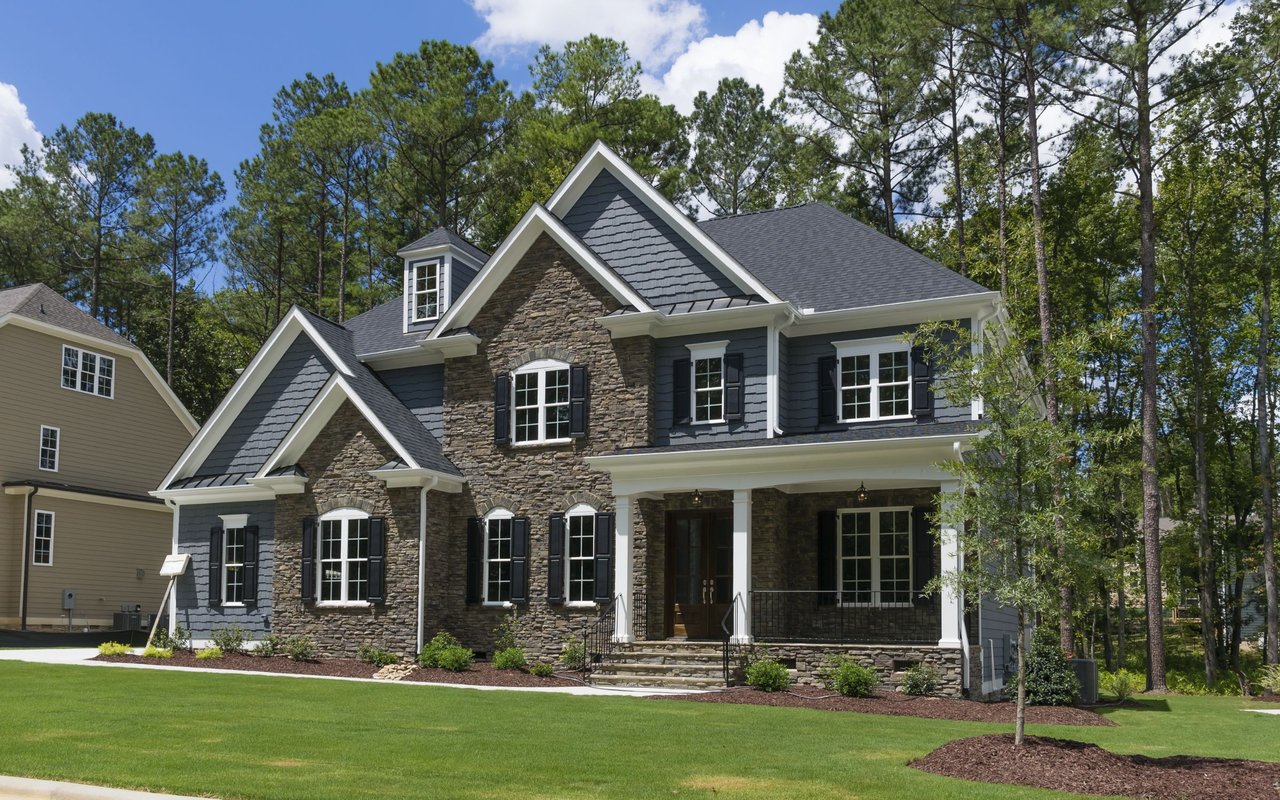
If you want a more traditional residential setup, Madison offers a strong supply of detached homes. This is the dominant pattern in the city, and it often appeals to buyers who want more interior space, private yards, driveways, and a neighborhood layout built around residential streets.
For many relocation buyers, this option fits well if your priority is long-term ownership and a predictable suburban lifestyle. It is also the housing form most closely aligned with the city’s long-range land-use pattern.
If you prefer something more flexible or more connected to dining and entertainment, Madison has growing pockets with different formats. The city profile summary points to examples such as Town Madison, a 536-acre mixed-use development with restaurants, retail, entertainment, multiple housing types, and Toyota Field.
The same city summary notes that The Avenue Madison includes 190 apartments and retail space, while Village of Oakland Springs includes single-family homes, townhomes, apartments, retail, and live-work units. These areas can be especially useful if you want a lower-maintenance home or a more walkable environment.
Relocating for work is not only about the commute. You also want to know what your weekends, evenings, and everyday routines might look like.
Madison offers a suburban lifestyle with a growing amenity base. According to the city, it has 32 developed neighborhood parks and 4 greenways totaling more than 500 acres. That gives newcomers plenty of options for outdoor time close to home.
Madison’s park system is one of the city’s biggest lifestyle strengths. Whether you want a place to walk, play, or simply get outside after work, the city provides a wide network of neighborhood-focused recreation spaces.
Specific destinations add to that appeal. Home Place Park is a 2.25-acre amphitheater-style park that hosts events such as the Sounds of Summer concert series and Opera in the Park. The Town Madison Wellness Center also includes 16 outdoor pickleball courts, 3 indoor pickleball courts, fields, and a gymnasium.
Madison also gives you more than a simple bedroom-community experience. Town Madison describes itself as a walkable community with four districts and growing destinations for dining, shopping, and entertainment. The city likewise frames it as a major mixed-use area on the Madison-Huntsville gateway along I-565.
That means your lifestyle options do not stop at your front door. You can enjoy neighborhood parks, growing local destinations, and quick access to the larger Huntsville area while still living in a city with a more residential feel.
If you are relocating to Madison for work, the easiest way to simplify your move is to match your search to a few practical filters first. You do not need to solve everything at once.
Start with these questions:
Once you answer those basics, your home search usually gets much clearer. Instead of searching all of Madison at once, you can focus on the housing style, commute pattern, and lifestyle setup that fit your move best.
Madison stands out for professionals because it combines practical commute access with a housing market built around long-term residential living. You will find strong access to major employment centers, a market where the $350,000 to $500,000 range is especially active, and a housing mix that still leans heavily toward detached single-family homes while adding more mixed-use options in key areas.
If you are planning a move and want local guidance on neighborhoods, commute-friendly areas, or whether it makes more sense to rent or buy first, the The Wright Bunch Team can help you build a plan that fits your timeline and goals.

We are dedicated to providing the most up-to-date market data in the area. Our team is made up of caring, knowledgeable professionals who work tirelessly to help you with the home buying and selling process.
113 2ND AVE SE DECATUR AL 35601