Harvest vs Toney: Comparing North Madison County Home Options
Trying to choose between Harvest and Toney for your next home? If you are searching in north Madison County, these two areas can look similar at first glance, but the day-to-day fit can feel very different depending on your budget, space needs, and commute. This guide breaks down current market data, housing options, and location factors so you can compare Harvest and Toney with more confidence. Let’s dive in.
If you want the short version, Harvest tends to offer more active listings and a more suburban feel, while Toney often appeals to buyers who want lower list prices and more acreage. Both areas can work well for buyers commuting toward Huntsville, and the difference often comes down to the type of property and setting you want.
Here is a simple side-by-side look at the current snapshot:
| Factor | Harvest | Toney |
|---|---|---|
| Homes for sale | 298 | 178 |
| Median list price | $334,900 | $319,900 |
| Median days on market | 88 days | 86 days |
| Price per square foot | $156 | $158 |
According to current local market data from Realtor.com market reports for Harvest and Toney, Harvest has more homes on the market, which can give you more options if you want to compare neighborhoods, floor plans, and lot sizes. Toney shows a slightly lower median list price, which may appeal if you are trying to stretch your budget.
Another detail worth noting is negotiation. Harvest homes are currently shown as selling for about 1.89% below asking on average, while Toney is shown at 100% of list price in this snapshot. That does not guarantee the same outcome for every home, but it may suggest a little more negotiating room in Harvest right now.
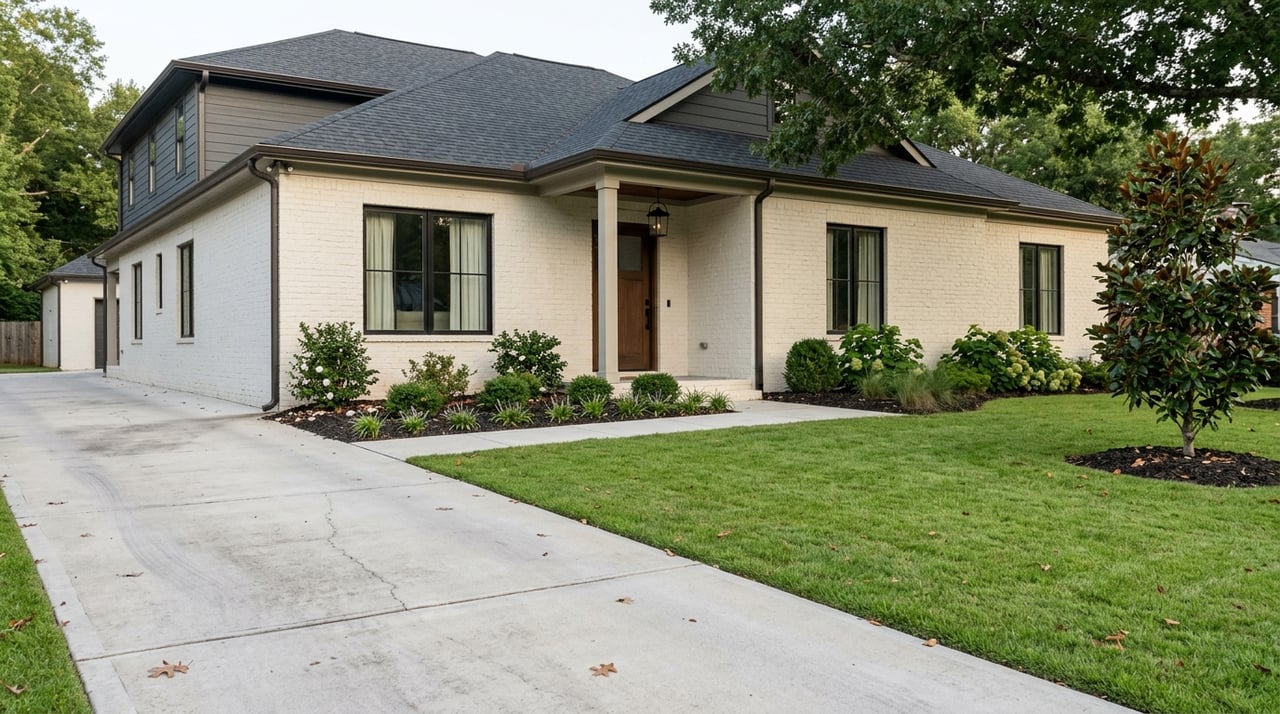
Harvest offers a mix that feels more suburban overall, but it is not limited to one type of home. You can find newer proposed construction, established ranch homes, and properties with larger lots depending on where you look.
Current examples in Harvest include a proposed 2026 ranch on a 9,147.6-square-foot lot, a 2018 full-brick ranch on 0.26 acres, a 2006 four-bedroom, three-bath home on 0.46 acres, and a 1978 home on 1 acre. There are even larger land opportunities, including a 7-acre parcel on Harvest Alternate Road, based on current Harvest listing examples.
That mix points to a market with a strong subdivision presence and a steady supply of single-family homes, but also some room to find extra land. If you want a neighborhood setting with sidewalks and nearby homes, Harvest may feel like the easier place to start your search.
Toney tends to read as more spread out, with stronger acreage potential. Smaller-lot homes exist there too, but the overall impression is often more rural and less concentrated than Harvest.
Current examples in Toney include a 2024 new-build, a 2019 home on 0.28 acres, a 0.41-acre ranch, a 2.97-acre home built in 2004, a 7.34-acre basement home from 1994, and a 15-acre horse-farm property from 1986, based on current 35773 market listings.
If you are looking for elbow room, space for outbuildings, or a property that feels more tucked away, Toney may line up better with your goals. It can also be a smart area to explore if you want land without moving too far from Huntsville.
The pricing gap between Harvest and Toney is not huge, but it is noticeable. Harvest’s median list price is $334,900, while Toney’s is $319,900. Price per square foot is also very close, with Harvest at $156 and Toney at $158.
That tells you something important. Toney is not necessarily cheaper on a per-square-foot basis, but it does show a lower median list price overall in the current snapshot. In practical terms, you may find that Toney gives you more opportunities at a lower entry point, especially if you are open to different home ages, lot sizes, or more rural settings.
Harvest, on the other hand, may offer a little more choice if you are trying to match a certain subdivision style, newer-home layout, or established suburban setting. With more active inventory, you may have a better chance of comparing similar homes before making a decision.
For many buyers, commute matters just as much as home features. The good news is that both Harvest and Toney are within a reasonable drive of Huntsville, and the difference is often smaller than buyers expect.
Travelmath estimates the drive from Harvest to Huntsville at about 25 minutes, and about 31 minutes from Harvest to Huntsville International Airport. Trippy estimates Toney to Huntsville at about 23 minutes, while Travelmath estimates Toney to HSV at about 30 minutes.
The biggest takeaway is simple: your exact address and destination matter more than the community name alone. If you work in Research Park, north Huntsville, or another part of the region, a house that looks similar on paper can feel very different once you test the actual route.
Harvest does have one notable access point for some buyers. Madison County describes Wall Triana Highway as a major collector serving many Harvest and Monrovia residential neighborhoods and connecting to Highway 53 and US-72. If your routine takes you toward those corridors, Harvest may offer a location advantage depending on the property.
Harvest has a more defined suburban identity in the current data. It is a Census-designated place with 5,893 residents, an owner-occupied housing rate of 82.7%, a median owner-occupied home value of $281,300, and a mean travel time to work of 26 minutes, according to the U.S. Census QuickFacts for Harvest.
Those numbers suggest a settled, owner-occupied community with moderate density rather than a purely rural environment. If you want a setting that feels established and residential, Harvest may be a comfortable fit.
This can matter if you picture your next home in a more neighborhood-oriented environment, where homes may be clustered more closely and newer subdivisions are more common. It does not mean every Harvest property feels the same, but the overall pattern leans more suburban.
Toney functions more like a dispersed county community than a concentrated town-center area. Madison County District 4 information includes Toney alongside Harvest, Monrovia, Madison Cross Roads, and northwest Huntsville, which helps frame its broader county setting.
Madison County also notes that county waste control serves residents outside Huntsville city limits, and its large-debris service includes Harvest, Monrovia, and Toney. Together, those county references support the idea that Toney has a more spread-out, county-style character.
For you, that may translate into more distance between properties, more land-focused options, and a quieter rural feel in many parts of the market. If that is what you want, Toney may stand out quickly once you begin touring homes.
The best choice depends on what matters most in your move. Neither area is automatically better. The right answer is the one that matches your lifestyle, budget, and property goals.
If you are torn between the two, it can help to narrow your search around three things first:
Once those are clear, the Harvest vs Toney decision usually becomes much easier.
If you are serious about buying in north Madison County, try to compare these areas with the same checklist. That keeps you from focusing only on list price and missing the bigger picture.
Use questions like these as you tour homes:
That side-by-side approach can save you time and help you make a more confident offer when the right property appears.
Whether you are comparing subdivisions in Harvest or acreage homes in Toney, having local guidance can make the process much easier. The The Wright Bunch Team offers full-service support for buyers across North Alabama and can help you compare locations, narrow your options, and move forward with confidence. If you are ready to explore Harvest, Toney, or both, schedule a free consultation.

We are dedicated to providing the most up-to-date market data in the area. Our team is made up of caring, knowledgeable professionals who work tirelessly to help you with the home buying and selling process.
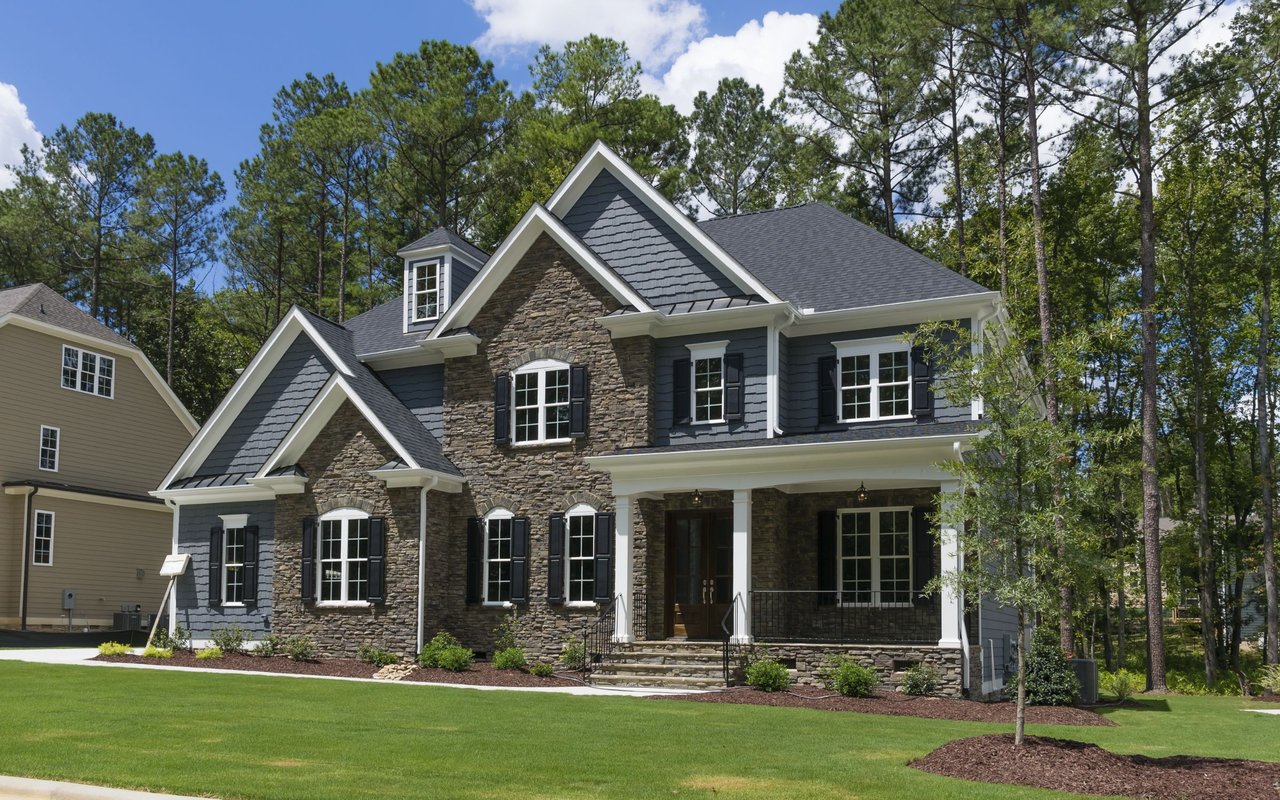
113 2ND AVE SE DECATUR AL 35601