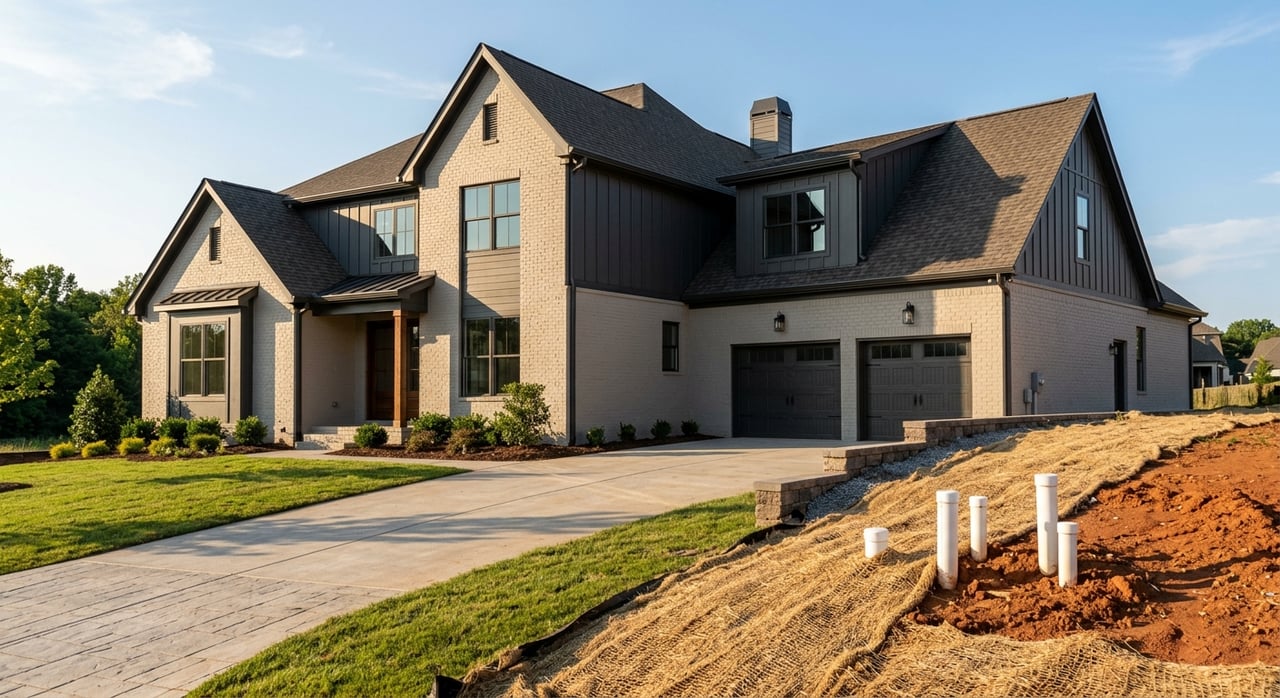
Buying Land Or New Construction In Trinity, AL: What To Expect
Thinking about buying land or a new construction home in Trinity, AL? It can be an exciting path, but it also comes with questions that do not always come up in a typical resale purchase. You may be wondering how utilities work, whether a lot needs septic, what rules apply inside town limits, or how to vet a builder before you sign. This guide will walk you through what to expect in Trinity so you can move forward with more clarity and fewer surprises. Let’s dive in.
Trinity is a small town in the Decatur metro area, with a population of 2,144 according to Atlas Alabama’s town profile. For buyers, that smaller-town setting can mean a mix of established neighborhoods, newer subdivisions, and parcels with more space.
It also means your project may involve local town review. Trinity has separate municipal pages for planning and zoning, building, and water services, which tells you that many in-town land and building decisions go through the town rather than only through county offices.
If you are shopping for land in Trinity, you are not looking at just one type of property. Current listings have included smaller subdivision lots around 0.3 acres, mid-size tracts around 2.4 to 3.4 acres, and larger parcels over 6 acres, based on recent land listings in Trinity.
That range matters because the buying process can look very different depending on the lot. A subdivision homesite may already have utility access and deed restrictions, while a rural tract may require more research into access, water, and wastewater options.
A lot is never just a lot. In one Trinity subdivision listing in Greenway Place, the advertised features included underground utilities, public sewer and water, brick construction requirements, and a minimum home size of 1,800 square feet, according to the listing details.
Before you buy, ask for any recorded restrictions, HOA details if applicable, and minimum build standards. These items can affect both your budget and the kind of home you can build.
If you are buying a larger tract or land outside a subdivision, your checklist gets longer. You will want to confirm legal access, survey boundaries, utility availability, and whether the site can support the home you want.
In practical terms, many land buyers should verify the site first and negotiate the contract second. That means checking utilities, access, septic or well feasibility, and any restrictions before assuming the property will work for your plans.
One of the first questions to ask is whether the property sits inside Trinity town limits or in unincorporated Lawrence County. That single detail can shape the approval process.
Inside Trinity, the planning commission meets on the fourth Monday of each month and has authority over subdivision regulation and zoning recommendations. If your purchase involves a lot split, platting issue, or development-related question, this local process matters.
Outside the municipal limits, Lawrence County states that unincorporated areas do not require zoning, building, or occupancy permits, though subdivision rules, floodplain rules, and pipe or access permits may still apply, according to the county’s zoning and permit guidance. In other words, fewer permits does not mean no due diligence.
Utility access is one of the biggest cost drivers when buying land. If a lot already has public water and sewer nearby, your path may be simpler. If not, you may need to plan for septic, a private well, or both.
Trinity’s water department page lists a $50 service connect fee, plus meter charges of $800 for a 3/4-inch meter and $1,000 for a 1-inch meter. Those are useful line items to include early when you are pricing a raw land purchase.
That same page also points buyers to local utility providers, including Joe Wheeler EMC, Wheeler Basin Natural Gas, West Morgan East Lawrence Water & Sewer Authority, and Morgan County Garbage Service. If you are comparing multiple parcels, provider availability is worth confirming before you commit.
If the property is not served by sewer, do not skip septic research. The Alabama Department of Public Health says buyers should confirm septic suitability before purchase, including soil tests, lot size, a replacement area, and required setbacks, as outlined in its home site guidance for onsite sewage systems.
The permit to install an onsite sewage system is obtained through the local health department. If a homesite cannot support septic, your building plans may change quickly.
If the lot depends on a private well, the Alabama Department of Public Health says the owner is responsible for water safety and recommends routine testing through the county health department. You can review that guidance on ADPH’s well water page.
For buyers, that means well water is not automatically a problem, but it is something to understand and plan for. Water source should always be part of your early due diligence.
Trinity’s new-construction market includes more than one price point and more than one lot style. Current Cedar Springs inventory on Zillow has shown five homes in the community, with prices ranging from $205,750 to $259,200, and one current home listed at $225,963. That community is identified as having public water, public sewer, and a $450 annual HOA fee, according to this Cedar Springs listing.
At a higher price point, a new-construction home on Hawthorn Way has been listed at $369,260 on a 0.3-acre lot and built in 2025, according to that home’s listing details. For buyers, that shows Trinity new builds can range from more entry-level neighborhood options to higher-priced homes in different settings.
If you are hoping for more inventory in the future, Trinity appears to have an active development pipeline. The town’s official planning materials reference a proposed 505-home, five-phase build-to-sell subdivision by Roush Coleman Homes on roughly 82 acres, with HOA involvement and utility capacity discussions already noted in the planning commission materials.
The town also posted a January 2026 special meeting notice to discuss Phase 2 of Cedar Springs, which suggests the local new-construction conversation is still moving. That does not guarantee timing or availability, but it does show that buyers should keep Trinity on their radar if they want newly built options.
When you buy a new home, you are not just choosing a floor plan. You are also choosing the builder and the process that comes with that builder.
Trinity has a dedicated building department with forms for owner-builder, sub-trades, gas, swimming pool, and commercial permits. Alabama’s Home Builders Licensure Board guidance, referenced through the town’s building department resources, says building permits should only be issued to licensees in the way they are licensed.
That is why it is smart to verify a builder’s license status before you sign a contract. It is one of the simplest ways to reduce risk early.
A new-construction purchase agreement is not the same as a resale contract. The home may not be finished yet, and the contract may need to address timing, changes, and what happens if delays occur.
Freddie Mac’s guidance on buying new construction notes that buyers should review completion dates, understand delay terms, evaluate warranties, and still plan for inspections even when the home is brand new. That advice can be especially important if you are coordinating a move, lease end date, or home sale.
Builders may also encourage buyers to use a preferred lender. That can be worth exploring, but you still want to compare loan terms and ask how rate-lock timing works, especially if the home will not be complete for several months.
Whether you are buying land or a new build in Trinity, a few questions can help you avoid costly surprises.
These are not small details. They are the details that often determine whether a purchase feels smooth or stressful.
Buying land or new construction usually asks more of you than buying an existing home. There are more moving parts, more documents to review, and more questions that need answers before you move forward.
That is where local guidance can make a real difference. If you want help comparing lots, understanding Trinity-specific questions, or navigating the moving parts of a new-construction purchase, the The Wright Bunch Team is here to help you take the next step with confidence.
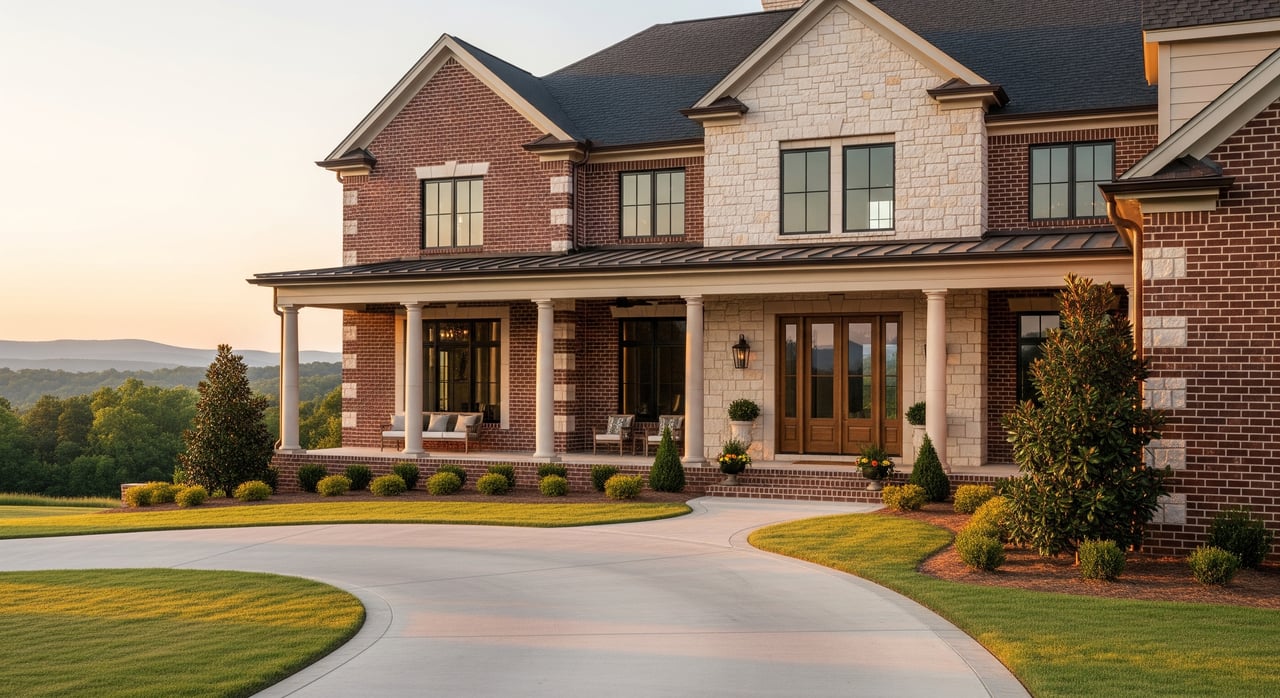
We are dedicated to providing the most up-to-date market data in the area. Our team is made up of caring, knowledgeable professionals who work tirelessly to help you with the home buying and selling process.
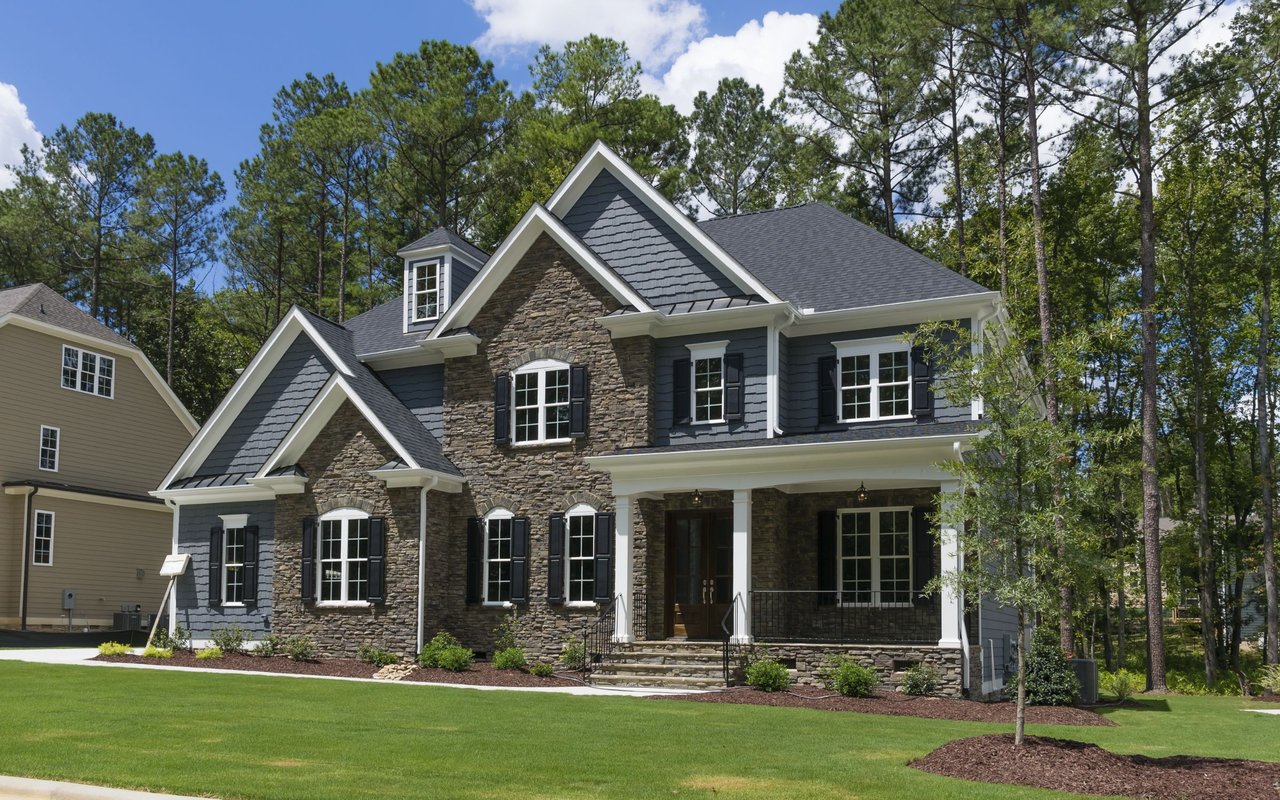
113 2ND AVE SE DECATUR AL 35601