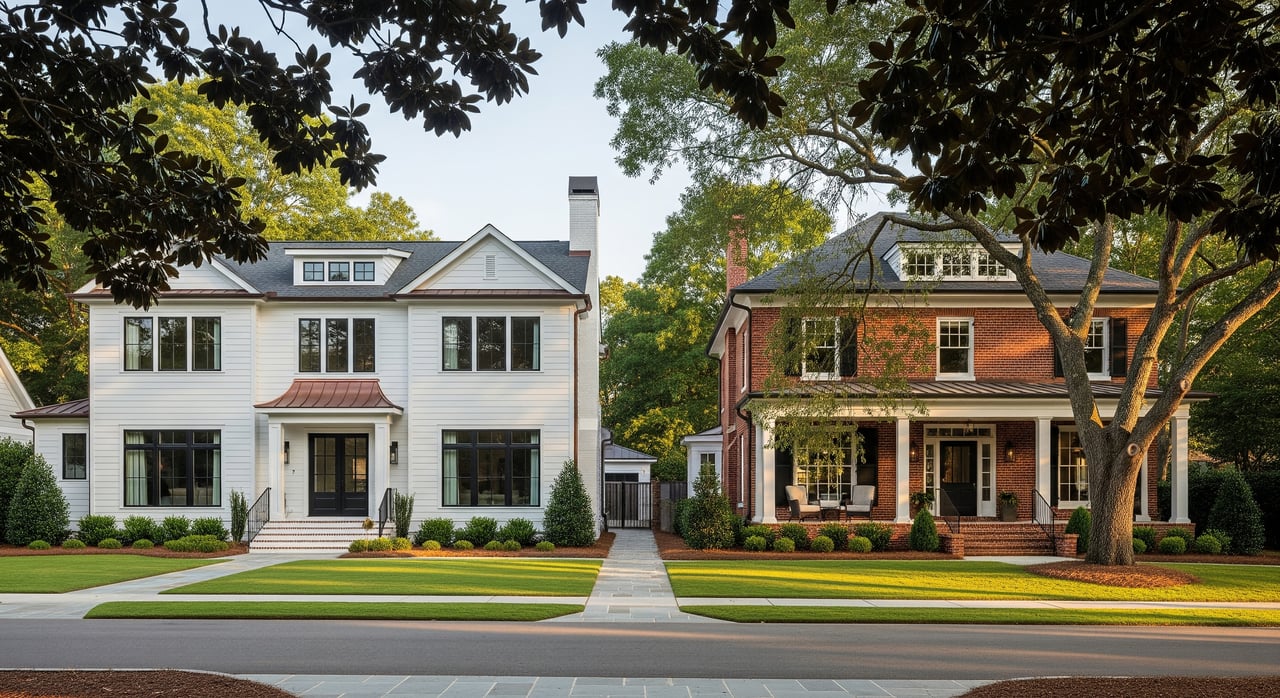
New Construction vs Resale in Madison: How To Choose
Trying to decide between a brand-new build and a lived-in resale home in Madison? You’re not alone. With steady job growth from Redstone Arsenal and Huntsville’s tech and aerospace ecosystem, demand keeps Madison’s market active and diverse. In this guide, you’ll learn the real differences in cost, timeline, customization, financing, warranties, and long-term value so you can choose with confidence. Let’s dive in.
Both options can work well in Madison. Your choice comes down to how you weigh timing, customization, risk tolerance, and total cost of ownership.
Key takeaway: Compare your total net cost and timeline needs first, then layer in lifestyle priorities like finishes, neighborhood maturity, and commute patterns.
New homes often carry a premium per square foot because of modern features and warranties. In many communities, lot premiums for corner lots, views, or larger yards can add to the base price. Builders may offset that with incentives like closing cost credits, rate buydowns, or upgrade packages.
Resale pricing depends on recent comparable sales and neighborhood trends. Sellers may offer concessions, though they are less predictable than builder incentives. When you compare options, weigh total net cost after upgrades, incentives, and any needed renovations.
Appraisals can be trickier in newer subdivisions that lack many closed comps. Your lender may need additional justification, which can affect loan approval or require appraisal gap planning. Established neighborhoods generally have clearer comps that support smoother underwriting.
If you need to move within 30 to 45 days, a resale home usually fits better. With standard financing, inspections, and appraisals, you can often close on a resale in that timeframe.
New construction takes months from contract to close. Build schedules depend on permitting, materials, subcontractors, and weather. If you choose new, prepare for potential delays and plan your housing in the meantime.
If you must sell a current home first, discuss options to align timing such as contingencies, bridge financing, or short rent-backs. Your plan should match the likely delivery date for the home you choose.
With a new build, you can often choose a floor plan, structural options, and design finishes if you buy early in the process. That flexibility is a major draw, especially if you have specific layout needs.
Upgrades can add up quickly, so track selections against your budget and confirm what is included versus optional. Builder “specials” on upgrades may be time-limited and tied to preferred lenders.
Resale homes offer less customization without post-close renovation. If you plan to remodel, build that cost into your total budget and consider how long you can live through updates.
New homes typically have modern systems and meet current building codes. That often means lower maintenance and utility costs early on. Ask the builder for energy spec sheets or a HERS index if available so you can compare projected operating costs.
Resale homes can need near-term system replacements, such as roof, HVAC, or windows. The upside is mature landscaping and established curb appeal, which can save on initial exterior work.
Pro tip: Budget for the first 12 to 24 months, not just your down payment and closing costs. Include known upgrades, likely repairs, and estimated utilities.
Most builders offer staged warranties. A common structure is 1 year for workmanship, 2 years for major systems, and a longer structural warranty that can extend to 10 years. The coverage and process vary by builder, so read the documents carefully.
You should still order independent inspections on new construction. Pre-drywall and final inspections can catch framing, wiring, and finish issues before you close. Builders sometimes limit inspection timing, so confirm windows in your contract.
For resale homes, a comprehensive inspection is standard and negotiations for repairs are common. Sellers must follow state disclosure rules, and your contract should spell out inspection and repair timelines.
New construction can involve a construction-to-permanent loan or an end loan on a builder spec home. Builders often partner with preferred lenders who may offer rate buydowns or credits. Compare total terms and costs, not just the interest rate.
If you plan to build, remember that interest rates can change during construction. Your rate lock timing will matter for affordability. FHA and VA financing are available for new construction, but some lenders require extra documentation or builder approvals.
Resale transactions typically use conventional, FHA, VA, or other standard mortgage types with straightforward underwriting based on recent comps.
New subdivisions may need time for trees to mature, amenities to open, and HOA policies to settle. If you want the feel of a finished community on day one, plan accordingly.
Established neighborhoods offer known traffic patterns, finished public infrastructure, and predictable HOA structures if applicable. School zoning, commute routes, and nearby services are easier to evaluate because they are already in place.
Key takeaway: If you prefer a neighborhood that is fully built out, resale may be a better fit. If you value planned amenities and new streetscapes, new construction can be appealing.
A new home’s initial premium can be justified by modern features and warranties, especially in well-located communities. In areas with rapid building, appreciation can be slower if supply expands quickly. Quality, location, and community planning all matter.
Resale homes tend to follow neighborhood comp trends. Mature areas with proven demand may offer more predictable appreciation and less risk of overbuilding.
When in doubt, compare 12 to 24 months of comps in your target neighborhoods. Ask your agent to show you both closed sales and active competition so you can see how buyers are responding.
Use this quick decision guide to match your priorities with the right path.
Here is a Madison-focused plan you can follow:
Define timing and budget. Decide your ideal move date and comfortable monthly payment. Consider both upfront and first-year costs.
Shortlist neighborhoods. Include a mix of new developments and established areas. Review commute routes and community plans. Check school assignment maps to confirm zoning if that is important to you.
Compare total ownership cost. For each home, tally base price, upgrades, lot premiums, incentives, expected utility costs, and any immediate repairs or updates.
Verify data. Ask your agent for recent comps through the local MLS and Huntsville Area Association of REALTORS reports. For new builds, review subdivision approvals and permit progress through City of Madison planning resources.
Align financing. Discuss construction-to-perm versus standard mortgages with a lender. Plan when to lock your rate, especially if building.
Inspect with intent. Schedule inspections at the right phases for new construction. For resales, be thorough and negotiate repairs based on findings.
Make a confident offer. Use clear contingencies, realistic timelines, and appraisal strategies that fit the property type.
You deserve a plan that fits your timeline, budget, and lifestyle. Whether you want the customization and warranties of new construction or the established feel of a resale neighborhood, our team can help you compare real numbers and make a confident choice. If you are ready to outline your options, connect with The Wright Bunch Team to schedule a free consultation.
We are dedicated to providing the most up-to-date market data in the area. Our team is made up of caring, knowledgeable professionals who work tirelessly to help you with the home buying and selling process.
113 2ND AVE SE DECATUR AL 35601